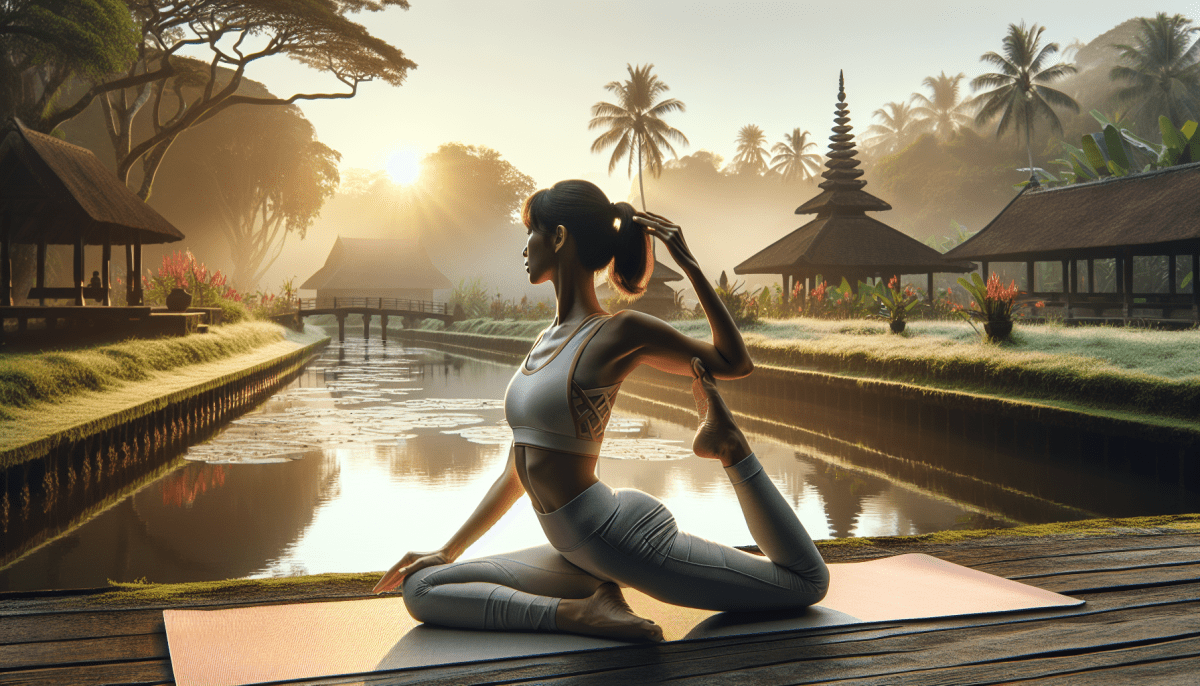
When it comes to increasing flexibility, certain yoga poses can be particularly effective. Incorporating these poses into your practice can help lengthen your muscles and open your joints, making it easier to achieve deeper stretches over time. Let's take a look at some of the best poses for enhancing flexibility.
One of the most popular poses for flexibility is the Downward-Facing Dog. This pose stretches your hamstrings, calves, and shoulders while also strengthening your arms and legs. To get into the pose, start on your hands and knees, then lift your hips toward the ceiling, forming an inverted V-shape with your body. Hold the position for a few breaths, allowing your heels to sink toward the floor for a deeper stretch.
Another excellent pose is the Pigeon Pose. This pose is particularly beneficial for opening up the hips. Begin in a tabletop position and bring your right knee forward, placing it behind your right wrist. Extend your left leg straight back, keeping your hips square. As you settle into this pose, you may feel a gentle stretch in your right hip. Remember to switch sides to maintain balance in your practice.
Butterfly Pose is another fantastic option for increasing flexibility in the hips and inner thighs. Sit on the floor with the soles of your feet together, allowing your knees to gently fall outward. Hold your feet with your hands and slowly lean forward, keeping your back straight. Feel the stretch deepen as you relax into the pose. Stay here for several breaths, focusing on releasing any tension in your lower body.
Key Benefits of Practicing Yoga
Practicing yoga offers a myriad of benefits that extend beyond flexibility. It serves as a holistic approach to improving both mental and physical well-being. One of the key benefits is stress reduction. In our fast-paced lives, yoga provides a much-needed break. By focusing on breath and movement, practitioners can clear their minds and experience a sense of calm. This reduction in stress not only enhances mental clarity but also promotes emotional balance.
Another significant advantage of yoga is improved strength. Many yoga poses require the engagement of various muscle groups, which helps to build strength over time. Unlike traditional weight training, yoga uses your body weight as resistance, promoting functional strength. This is especially beneficial for athletes and those looking to balance their fitness routine.
Flexibility is, of course, a primary focus of yoga practice. Regularly engaging in yoga can help increase your range of motion and prevent injuries. As you progress through different poses, your muscles and joints become more supple, which enables smoother movements in daily activities. This increased flexibility also contributes to better posture, reducing the risk of back and neck pain.
Finally, yoga fosters a deeper connection between the mind and body. With its emphasis on mindfulness, practitioners learn to tune into their bodies and become more aware of their movements and sensations. This heightened awareness can lead to better lifestyle choices, such as improved nutrition and healthier habits, creating a positive ripple effect in overall well-being.
Tips for Mastering Each Pose
Mastering yoga poses takes patience and practice. Here are some tips to help you get the most out of your flexibility journey. Remember, it's essential to listen to your body and progress at your own pace.
Start with the basics. Before diving into advanced poses, make sure you have a solid foundation. Simple poses like Downward Dog and Child’s Pose can improve your overall flexibility and strength. Focus on your alignment and breathing, as these will set the tone for more complex positions.
Use props to assist your practice. Blocks, straps, and bolsters can help support your body in various poses, allowing you to ease into stretches without straining. For instance, when practicing Forward Bend, try placing a block under your hands to avoid overextending your back.
Consistency is key. Incorporate stretching and yoga into your daily routine, even if it's just for a few minutes. This will not only help your flexibility but will also support your overall well-being. Set realistic goals and celebrate your progress, no matter how small.
Finally, breathe deeply and relax into each pose. Avoid pushing yourself too hard; instead, focus on finding your edge, where you feel a good stretch but can maintain your breath. With time, patience, and dedication, you’ll notice significant improvements in your flexibility.
How to Create a Yoga Routine
Creating a yoga routine that suits your needs can be both fulfilling and fun! Start by determining your goals. Are you looking to increase flexibility, build strength, or find relaxation? Once you have a clear intention, you can choose the poses that align with your objectives. For ultimate flexibility, consider incorporating poses that open up the hips, stretch the spine, and lengthen the hamstrings.
Next, decide on the duration of your routine. A good starting point is 20 to 30 minutes, which allows for a balanced practice. Begin with a gentle warm-up to prepare your body. Poses like Cat-Cow or Sun Salutations can help you transition smoothly into deeper stretches. As you move through your routine, remember to focus on your breath; inhaling and exhaling deeply can enhance your flexibility and keep you centered.
As you select your poses, mix in a variety of standing, seated, and lying down stretches. Poses such as Downward Dog, Butterfly, and Pigeon are excellent for improving flexibility. Remember to hold each pose for several breaths to allow your body to relax and deepen the stretch. Listen to your body; if a pose feels too intense, modify it to suit your comfort level.
Lastly, wind down your practice with some restorative poses. Child's Pose or Legs-Up-The-Wall can help you relax and integrate the benefits of your yoga routine. Once you feel ready, take a moment to sit in stillness, reflecting on your practice. This not only aids in mental clarity but also helps you tune into your body’s changes over time.